
 913-210-6242
 10332 Mastin St, Overland Park, KS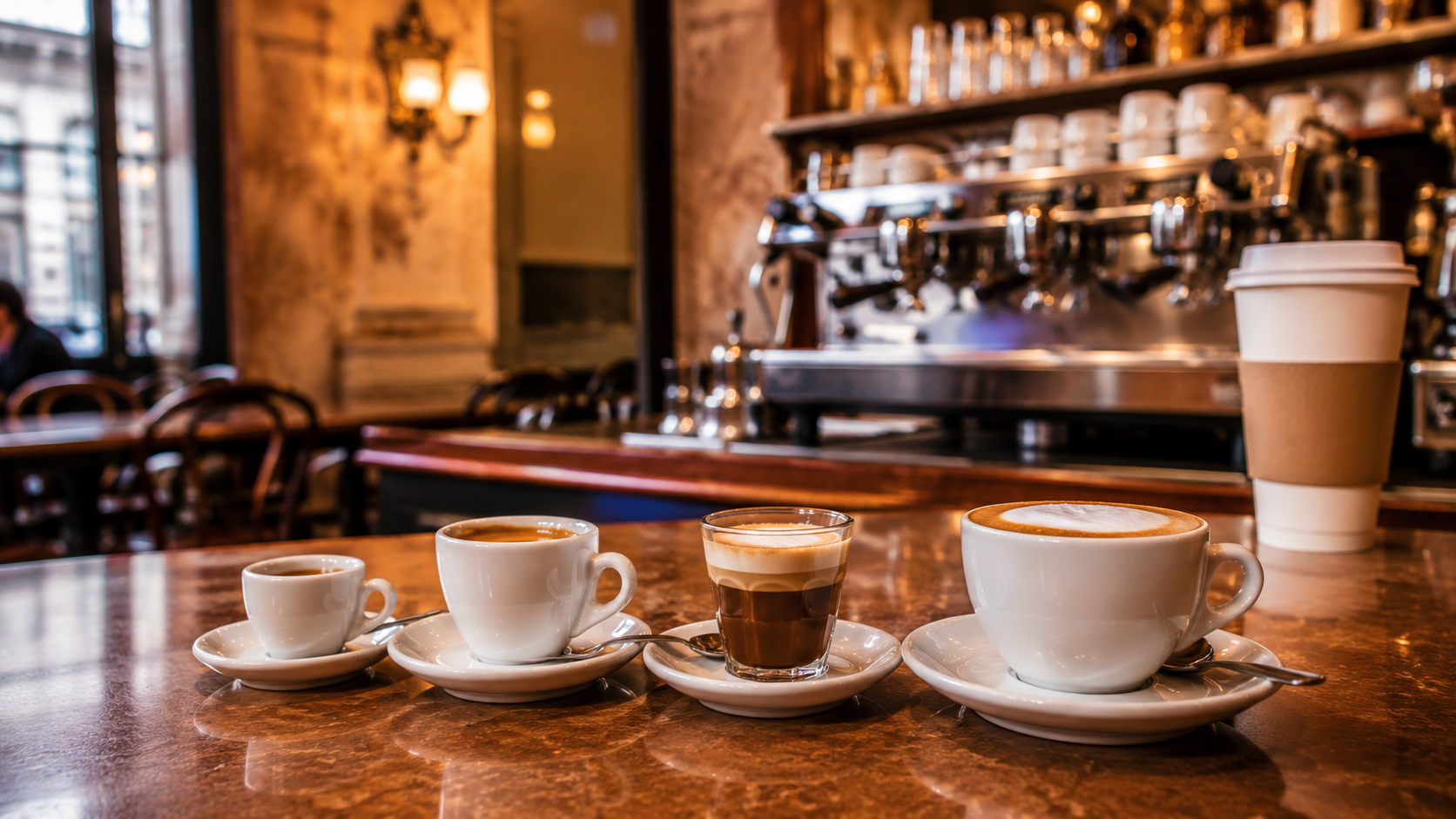
The coffee culture of Italy has evolved over hundreds of years, and when you visit Italian cafés, you'll notice a simpler and more refined approach to espresso drinks compared to oversized, syrup-based beverages from chain coffee shops. Knowing about these traditional Italian coffee drinks will change the way you think about your coffee ritual daily.
Espresso is at the core of Italian coffee culture; it is the foundation of all coffee drinks in Italy. Italian espresso is a concentrated coffee made by forcing steaming hot water through ground coffee beans. The standard Italian espresso is usually about 25-30ml (or approximately 1 ounce) with an extraction time of 25-30 seconds. However, the Italian barista recognizes two main variations of espresso (ristretto and lungo) that affect the intensity of the espresso and its flavor profile:
Ristretto (meaning "restricted" in Italian) contains the same amount of coffee as a normal espresso but has a reduced amount of water (15-20ml). This creates a more intense, sweeter espresso with less caffeine and fewer bitter notes than a normal espresso due to shortened extraction time (15-20 seconds). Since there is less time for the bitter compounds to be extracted, a ristretto produces a thick syrupy tasting espresso that is noted for its complex and sweet flavors.
Lungo (meaning "long") uses more water (50-60ml) and has a longer extraction time (45-60 seconds). Therefore, you have a larger espresso shot with more caffeine and more bitter notes than regular espresso.While many coffee purists are hesitant to drink lungos because of their possibility of being over-extracted, many coffee drinkers actually prefer lungos for their higher volume and lighter body than other espressos. A well-pulled lungo has a flavour profile that differs significantly from other espresso drinks, giving some consumers a different option for their daily caffeine fix.
A traditional Italian macchiato, on the other hand, is very different from what you will find at Starbucks or other major coffee chains. The term macchiato means “to mark” or “to stain”, and that definition is the basis of this drink: a shot of espresso that is marked by a small dollop of frothed milk (generally about 1 teaspoon).
Generally served in a small espresso cup, the macchiato has about 90% espresso and only 10% frothed milk; thus, the frothed milk is very small in relation to the espresso and does not hide the bold taste of the espresso, but instead just lessens the bitterness slightly. Typically, a macchiato would be enjoyed quickly while remaining standing at the bar in about 2 or 3 gulps.
In contrast, the Starbucks Caramel Macchiato is essentially a latte combined with vanilla syrup and caramel drizzled on the top and served upside down with the espresso poured on top of the milk. At 12-20 oz., this drink is completely different from a traditional Italian macchiato, but only shares the same name.
The cortado originated in Spain but has also been incorporated into Italian coffee culture and is a fantastic intermediary option between traditional espresso and milky coffees. The cortado is equal parts espresso and steamed milk, making up a total of 4 ounces, or 2 ounces of each.The main difference between a flat white and a cappuccino is how the milk is processed—steamed versus frothed. Flat whites have a very thin layer of microfoam created by steaming, compared to a cappuccino's thick layer of foam. This difference helps to cut down on the acidity of the espresso while still keeping the flavor of the coffee present. They are served in small glasses, making them perfect for those who feel that straight espresso is too strong and do not want to drink an entire cup of milk-based beverage mid-morning.
The traditional Italian cappuccino has probably been the biggest victim of the time and creativity of chain coffee shops. Traditionally in Italy, the cappuccino is served in a 5-6 ounce cup and consists of one shot of espresso, steamed milk, and milk foam. This creates an extremely well-balanced drink with the espresso's flavor intact among the creamy milk.
Italians typically only drink cappuccino in the morning, never after 11 AM and never after eating. Cappuccino is a breakfast drink and is usually served with a cornetto (Italian croissant).
Compare this with the 12, 16, and even 20-ounce cappuccinos that chain coffee shops serve. These extra-large cappuccinos have multiple shots of espresso covered up in lots of milk, which changes the flavor profile and texture of the drink completely. The rich, creamy mixture should be a harmony of flavors but instead becomes milk with a touch of coffee flavor, much more like a latte than a true cappuccino.
Understanding Italian espresso drinks illustrates a coffee culture that values quality over quantity. Authentic Italian coffee has a precise proportion of ingredients prepared at a precise time to create a unique flavor profile. While there is nothing wrong with enjoying a very large sweet coffee drink, the true art and craft of Italian coffee are celebrated in the authentic Italian espresso drinks. Next time you are at a quality coffee shop, consider ordering one of these traditional Italian espresso drinks and see if smaller really is better.
Comments
Please sign in to leave a comment.