
 913-210-6242
 10332 Mastin St, Overland Park, KS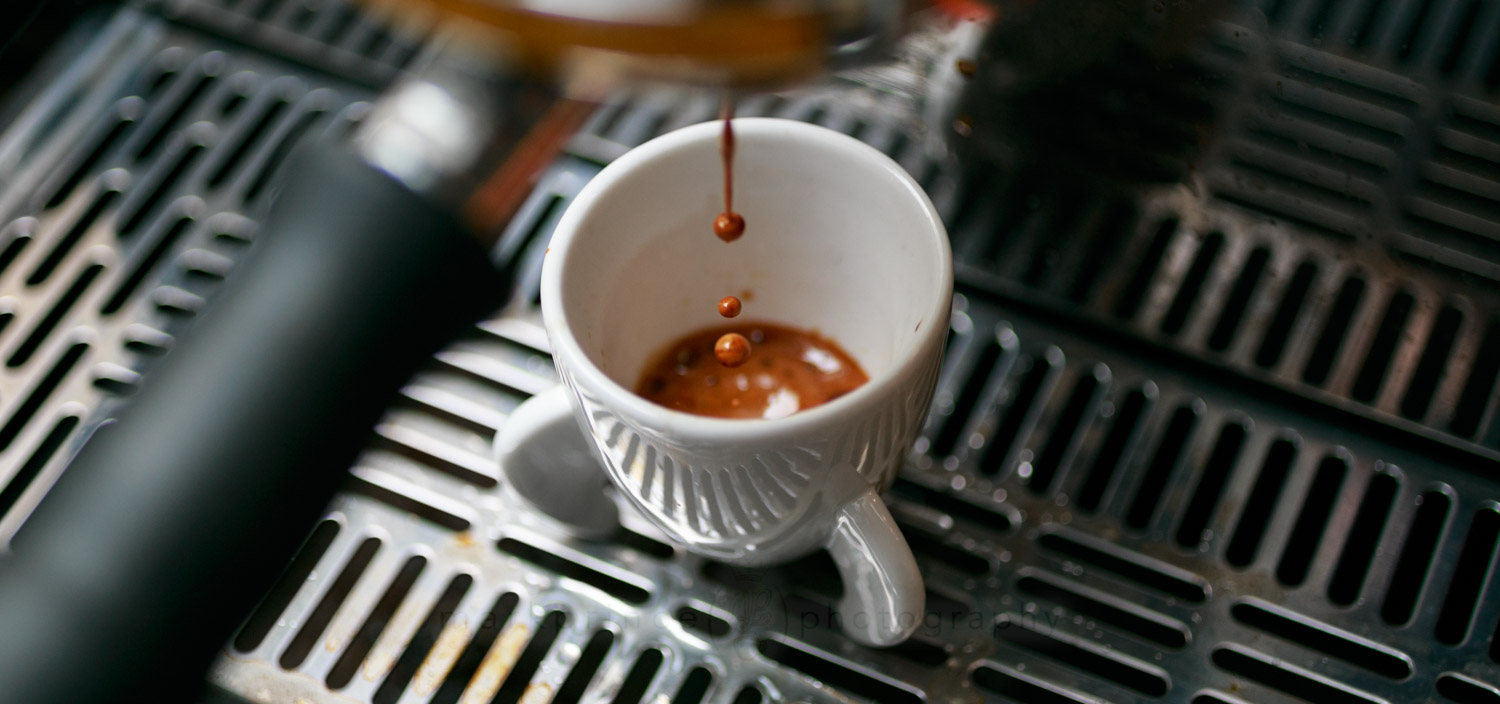
If you’ve ever ordered an espresso and received a small cup filled with a dark liquid, you may have wondered what makes espresso so unique. While many people are very particular about espresso, it is often misunderstood.
Let’s begin by addressing one of the most common myths about espresso. Espresso is not a type of coffee Bean! Many people believe the espresso variety is a unique bean with its own tree or bush, which is why it is so highly sought after.
You will find "espresso" roast or "espresso" blend coffee beans at most grocery stores, but these are merely marketing terms used to represent darker roasted coffee beans that are better suited for espresso brewing, and they can still be made into an espresso from any type of coffee bean including light-roast coffee beans from Ethiopia or anywhere else.
So What Is An Espresso Brew Method?
An espresso is a brewing method, not a specific type of coffee bean. Coffee is considered espresso because of the way it is brewed, i.e., when nearly boiling water is passed through three ounces of fine-cuts of roaster at 9 bars of pressure for around twenty-five to thirty seconds. This gives you a small concentrated coffee shot, usually with a thick glossy foamy top layer of crema.Important Characteristics of Espresso
Fine Grind-The grind of espresso is much finer than that of traditional drip coffee, almost like powdered sugar.
High Pressure-Espresso is brewed under high pressure (about 9 bars). This allows for maximum flavor extraction in a short amount of time.
Minimal Amount of Water-A single espresso shot is generally 1-2 oz. of water.
Short Brew Time-The total brew time is approximately 25-30 seconds from start to finish.
Concentrated Result- Espresso is the concentrated form of the coffee bean because of the high-pressure extraction.
What Makes Espresso Taste Different From Drip?
Espresso's high pressure extraction pulls out flavors, oils and compounds that wouldn't normally be extracted with other brewing methods. The result is a concentrated, full-bodied beverage with various flavor profiles.
The foam (crema) that sits on top of the espresso is not merely for decoration. The crema is a mixture of sugar, proteins and oils that produces a foamy layer that enhances the texture, aroma flavours, and smell of the espresso.
Debunking Common Myths about Espresso
Myths about espresso, caffeine, and flavour.
Myth: Espresso has extremely high caffeine compared to normal coffee.
In fact, espresso does contain more caffeine per ounce than regular coffee; however, the amount of espresso is so small compared to a normal cup of regular coffee (approximately 8-12 ounces) that even though espresso has more caffeine per ounce, it actually contains much less caffeine overall. An espresso contains on average around 65mg of caffeine, while a standard cup of coffee has around 95-200mg of caffeine.
Myth: Espresso is always extremely bitter.
Espresso should be balanced. Properly brewed espresso should have a balance of bitterness, sweetness and acidity; however, it should not be a strong bitterness. If there is excessive bitterness, the brewing method was incorrect.
Myth: You have to buy espresso beans to brew espresso.
As previously discussed, any coffee bean is capable of being brewed as espresso; however, there are specific roast blends and roast profiles developed to provide an exceptional espresso product which is why you frequently see espresso roasts on the market.
Is It Possible to Brew Espresso at Home Without an Espresso Machine?
No. The true definition of espresso requires a brewing pressure of at least 9 bars, which cannot be achieved using a French press or pour-over method, or even a Moka pot which has a maximum brewing pressure of about 1.5 bars.
Although Moka pots create strong brewed concentrated coffee that is close to espresso and can be used in lattes and cappuccinos, they cannot technically be classified as espresso.
To build a true home espresso setup, you will need an espresso machine, but the advantages of starting out with entry level equipment are more affordable options and easier operations.
Final Remarks
Espresso is a brew method that utilises fine ground coffee, pressure and precision, to create a concentrated small cup of coffee. It is not a certain roast or a certain type of bean, nor is it "strong coffee" in a technical sense.
By understanding what espresso truly is, you can appreciate the craft behind espresso brewing and justify the price you are paying for your shot of espresso whenever you find yourself spending $4 for it. If you are a home barista or enjoy cappuccino, being familiar with the fundamentals will enhance your experience as you have that first taste of your freshly brewed espresso.
Comments
Please sign in to leave a comment.